
Mateo Páez "The Tour Divide"
Part One: Tour Divide Training, High Performance, Processing Traumas, Finding Friendship, Support Systems, Sacrifice & Lack of Stability.

Mateo Páez, is an ultra-endurance cyclist based in Bend, Oregon. With an impressive list of ultra-endurance races under his belt—including the Atlas Mountain Race, Bright Midnight, and Bohemian Border Bash—it’s the Tour Divide that has truly captured his imagination. In this conversation, we dive into the why, and how it all comes together.
S: What have you learned about yourself in the process of racing ultras and these longer efforts?
M: Honestly, confidence, the day-to-day confidence — in doing anything, even the little things. It’s taught me a lot more than that, but simply put it’s, confidence.
You go live on the bike for a couple days. You're in the same dirty clothes, barely any real food. Then you get home and suddenly everything feels easier.
Go to the laundromat? Easy. Walk the dogs? Easy. Help a friend move? Easy. Everything's simplified once you go do the hard stuff.
S: Does that confidence stick with you, or do you feel it wears off over time — or is it just always there now, and you're just keen on racing?
M: It changes — the reason you want to go out and do it isn’t always the same.
It’s not always about the same experience, and it’s not just about gaining confidence to bring back, you know?
Especially with something like the Divide — it’s completely different than those first couple races I did, or even compared to coming back from other larger efforts. You come back with a little more baggage, I guess — whether that’s positive or negative.
Although, I definitely feel that, “I need to go do one of these things again”
You can get carried away with the competitive aspect, right? I feel like that could get dangerous when you get a little more competitive with it, because it takes away not just from the experience, but from what it’s actually doing for you personally.
It started out as being something special, right? You do it five, ten, fifteen times — it’s obviously not as special as the first few times.
But, then the competitive side of me just wants to do better or go faster — for myself.
S: Ultras can be deeply personal and often isolating, though there’s also a strong sense of community. Do you find that friendships naturally form in the ultra environment?
M: One hundred percent! If I were to pass the same people by on the street, I probably wouldn’t be friends with them normally. But when you share those interactions and experiences on a trail like that, it’s incredibly special.
There’s a handful of people I’ve met racing over the years — maybe I rode with them for 30 minutes, or spent another 30 minutes with them at the finish before everyone breaks away. And I’m still in touch with them. They reach out when events are happening, it's kind of like friends for life, which is super cool.
S: Do you think it's the shared experience — or maybe the shared adversity — that brings people together in that way?
M: I think it’s the hardship aspect, for sure. Just seeing someone else out there doing the same thing as you — whether you’re racing for a position or not — there’s this instant sense of commonality. And, depending on the day or even the time of day, sharing those moments can be really impactful.
S: Does the community aspect play a role in your experience? And is that something you seek out, or is it separate from your racing aspirations?
M: In the past, it’s definitely been at the forefront. It really depends on how you’re going into an event — and it heavily depends on the event itself. It’s still a big factor for me — it was in the beginning, and it still is now.
S: It seems this year marks a bit of a turning point for you — with a stronger focus on racing at the front and investing every effort into the Tour Divide.
M: Totally. Looking back, those first few races felt like a test for me — just proving that I could do them. But things changed after I did the Divide because it’s so highly regarded. I mean, it’s not over until it’s over. You can be 14 days in and still feel anxious about whether you’ll make it to the border.
Finishing the Divide, along with all the other races, was huge for me. Being able to finish them and still be stoked about riding my bike was a big factor. But then I look back and that competitive side of me thinks, I know I could do better.
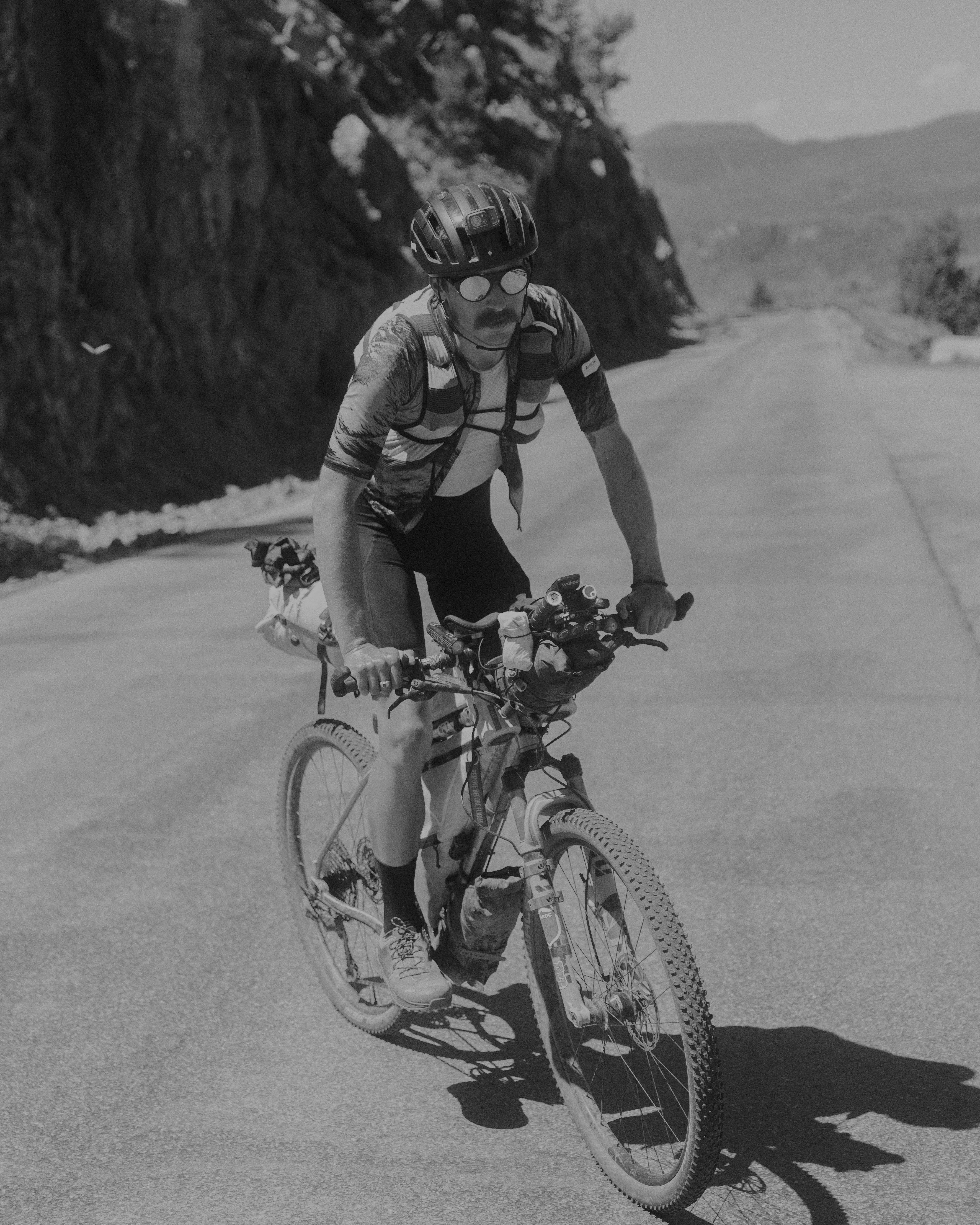
So, the focus is shifting a little, but it’s not a drastic change — I’m not changing my lifestyle. It’s more about being more comfortable with myself as a rider. It’s a bit strange to think about it that way, but that’s kinda how it is.
And, here and there, I’ve stepped out of my comfort zone to prioritize performance over experience. Racing Stagecoach, for example, was something I’ve done a few times, so I’m familiar with the route. That familiarity gave me a big boost of confidence to approach the course in a more competitive way.
For the longest time, I was just ticking off races I wanted to do because they were challenging and a little different. But returning to a race, especially something like the Divide, is a completely different mindset. With the Divide, it’s so long, and it takes a shift in approach, knowing what’s out there.
S: The distance from Banff to Antelope Wells is difficult to even comprehend - how do you mentally prepare for an effort of that scale?
M: I’ve been doing a lot of mental preparation, honestly, because while the physical side of that route eventually catches up — and quickly — you can deal with that. But the mental side is what really makes it challenging, especially with all the alone time.
And, not all of the riding is particularly engaging, so you end up in your own headspace — being prepared for that, especially when everything hurts physically, is key.
Racing in the States can feel a bit mundane because it's not new to me. For me a big part of why I do these races is being in completely foreign places, it keeps things engaging because everything feels new. You're on high alert, in the best way.
I've shifted focus to practicing the mental aspects. Even maintaining a positive mindset on the bike daily. Like, you might start a three-hour ride, and the first two hours feel terrible, but then you warm up and suddenly don’t want to go home because you start feeling good — even though you’ve got stuff to do.
I’ve just been trying to be comfortable and at peace in my own space, staying still at home, visualizing the route, visualizing the hard moments, and just being content with myself and my life.
There was a lot of uncertainty, leading up to the Tour Divide last year. I kept wondering, 'Am I doing this right? Did I train enough? Can I ride that far? Can I stay focused long enough to keep going?' So many things come into play.
S: Do you find yourself accessing those mindfulness tools along the route?
M: I’ve been working with a sports psychologist who specializes in sports psychology over the past few months. After coming home from the Tour Divide last year, I was pretty spun out — the storms really took a toll on me, and I was just in survival mode.
When I got home, I felt like I was still in go mode. I didn’t have a race to train for, and I didn’t have a job, so I was kind of spinning. But at the same time, it pushed me to want to do it again and do it better, in a weird way.
With all that said, it shifted my focus to be more mindful of how damaging and stressful those situations can be on the trail. I used to downplay those sensations in other races, just because they were shorter — five or six days isn’t long enough to really get caught in that negative loop.
S: What’s the emotional come-down like for you after something that intense — is there a lot to unpack?
M: The debrief is much more involved in other races — there are usually a lot of conversations and interactions with people who’ve shared that physical and mental struggle. There’s a kind of natural debrief period where you talk it through, it gets processed, and then it's put to rest.
But the Divide is so different — maybe there’s one person along the route you connect with, if you happen to spend enough time riding together.
Even then, the debrief is usually really short, if it happens at all. Maybe you see them at the finish, or you got their number and can catch up on a quick call or see them briefly.
I think that had a big effect on me — that lack of connection. In most races, a positive experience is often tied to the community and friends you share it with. But with the Divide, it’s completely different. You’re kind of just left with everything on your own at the end.
S: Last year, you had an impressive first attempt on the Divide, finishing inside the top twenty — what made you want to come back and race it again?
M: I’d always heard people say the Divide gets under your skin — and I believed that, just from watching how other racers I looked up to approached it and talked about it. It’s so highly revered. It’s like, the one.
I remember coming home and typically the first question people usually ask is, 'Would you go back and do it again?’ and thinking, 'No way, there's no way' I mean, it’s amazing, there are incredible sections, but there’s also a lot of moments where I felt uninspired by the riding because it’s just so long. You can't ride across a continent like that without hitting some boring sections.
That part really stuck with me when I got home, and I thought, 'I don’t think I’d want to do it again.' But it didn’t take long to realize I wanted to go back.
Also, When Lael was riding around the world, I caught up with her on the coast in Oregon, and we ended up riding for 11 hours together in the worst rain. It was great because I’d ridden with her before so it felt good to reconnect.
We talked about the Divide for at least eight of those eleven hours. She could relate, and we discussed specific places, sections, and what the ground was like, but, what really stuck with me was when she said, 'If you want to go back and race it again, go back as soon as possible while it’s fresh and you’re still motivated, you're not going to do any better if you take time off'
Hearing that from her, along with conversations with other finishers, really motivated me. Everyone kind of motivated by each other. Plus, being able to do it again, that’s a whole other side of it. Not everyone can just split off at the start of the Summer to ride and be completely unavailable. It's an entire process — from getting to the race, racing it, to coming home, and then trying to return to normal and be human again.
I mean, people quit their jobs to race the Divide — some wait until they’re retired. I had to make sure my life was in a place where I could commit to trying it again. It was a decision I had to make with my partner, also considering its potential impact on my career, but once I realized the timing was right, I knew I should go for it.
S: Do you see any parallels between the perseverance needed for long-distance races and the process of overcoming personal trauma?
M: I can't speak for anyone else, but for me, absolutely. It comes down to being comfortable with yourself and what you're doing — sometimes questioning if it's right or valuable. And, sometimes it feels worthless, but pushing through those hard moments and finding beauty in the struggle, even when it happens multiple times a day, makes it all worth it.
S: Last year during the Divide, I met up with you near Radium Hot Springs. In our conversation, you mentioned the loss of your father — something deeply difficult and emotional for you. Does the solitude of these long-distance efforts give you space to process that kind of grief?
M: Yeah, I feel like even if my dad were still here, I’d still be pursuing this — it might just look a little different. But that’s how the story’s written, right?
I wish he could see what I’m doing right now. I wish he could know, or that I could, you know, tell him. But then, spiritually, I’m like — absolutely, he does know.
He’d probably just think I was a fucking psycho, which he kind of always did, because I was a crazy kid. So, it wouldn’t be surprising at all.
Pushing myself and embracing discomfort, I definitely got a lot of that from him. When I’m out there doing it all, I feel like I’m just an extension of him, in a way, and I get to show him things in an interesting, spiritual way. But, last year was different, especially since I hadn’t been back to Colorado since he passed. He was living in Littleton, Colorado so Colorado just felt like this big gray unknown to me.
Going back was incredible, especially doing it on the Divide. Just reaching Colorado was far more emotional than I expected. And then before I knew it, I was in New Mexico.
S: It’s kind of remarkable how much the mind can process when given the time and space to do so - it’s an incredibly powerful tool.
M: It’s absolutely a tool for me, like big time, and not just with that — I lost a couple of friends right after high school, and at that age, processing things looks a lot different.
Now that I’m 33, I can look back and recognize that myself and a lot of my friends from that time weren’t handling it in a healthy way — we weren’t going to therapy or processing things properly. Now, I feel like I’ve learned to navigate a lot of uncomfortable situations. And, a lot of that processing happens on the bike.
S: It goes back to what you said earlier — how fortunate are we, and those who participate in these events, to have the time and space to process and learn about ourselves — growth becomes inevitable.
M: Exactly. Once you're out there, it's just you and your bike, and you keep moving. It’s the purest form of existence. Your bills are hopefully paid, and you can check out, nothing matters except yourself. It’s a selfish endeavor, but as you said, we’re incredibly fortunate to be able to do it in the first place.
Everyone I met out there racing is so excited and stoked, even if it's the worst day ever. It ebbs and flows, right? But we’re out here doing this incredible thing, and that’s definitely a consistent reminder while we’re out there.
S: Moving our focus to this year, it’s such a demanding event. How does it fit into your overall race calendar?
M: This will be my third year fully committing to ultra racing and in the past it’s been pretty stacked in comparison to others. This year has shifted quite a bit, mainly because by the end of last Summer, I was already committed to the Divide.
I realized the Divide is the one race I want to focus on - unless something else comes up afterward and I’m feeling good, the Divide will have the entirety of my focus.
With that said, I spent a month in South America in January. Although it wasn't for a race, that trip was specifically to train for the Divide. I spent 22 days touring through a new country with crazy terrain. It was essentially a big volume test — long days on the bike, being outside all day, not knowing where I’d eat next. Even though I was touring and with friends, the days were still challenging. That was my way of kicking off the year and getting ready for the Divide.
S: Training for the Divide often demands significant sacrifices. Where do you find yourself making sacrifices in terms of personal stability or personal life to pursue the Divide?
M: It’s a lot — a lot of communication. Tons of communication with my partner in term of which days I plan to be gone for eight hours, as if I were at work. It’s also about making sure our dogs are taken care of - it’s not rocket science, but it requires a lot of time management and communication on both sides.
I'm not going crazy on training this year, I’ve just have been really consistent. I pretty much try and ride my bike everyday. For me, it's mostly mental this year. I know, at least from the pace I rode last year, how much it can take a toll on you. That said, I also feel like I got lucky, and I know it can always be a lot worse. Honestly, just being mentally prepared for it to be really bad, that's the training.
S: The field seems quite competitive this year - what results are you looking for this time around?
M: Honestly, my goal right now is just to go faster than I did last year. That’s the only expectation I’m setting for myself, which feels pretty low-stakes. I definitely want to race at the front, though — that’s the goal.
I think having experience on that route is a huge confidence booster. I’m keeping my cards close this time. I know how it is out there, and if some Euro wants to know what it’s like going up and over Fleecer Ridge with a storm incoming, I'm not going to tell them what it's like up there. The confidence of knowing the route is massive for me, I’ll definitely play that to my advantage.
S: It seems like that's especially true with the Divide — that knowledge is invaluable and it’s something you need in your back pocket. It's pretty cool that you'll be able to use it as a tactic this time around.
M: I've been using this technique, where I can pick any spot on the route and vividly recall exactly how I felt, what the weather was like, what the terrain was like, and what I had at the last resupply. It’s a visceral memory, and it’s been a really fun exercise.
S: The “Earth Boy” street view!
M: Yeah! Let’s say, I get up to pee at 3 a.m. and I’m in a bit of a dream state. I’ve been putting myself in a certain place on route, mentally walking through exactly what I was doing and what was happening. Then, I can fall back asleep in about 30 seconds, which is pretty cool. It’s like my little happy place, even though, half the time, it was actually pretty awful. But, I’m shining a positive light on it.
I can’t do that with other races. I’m not sure if it’s the geography, the familiarity with the Mountain West, or just the experience itself. I’ve tried doing it with races like Atlas, Bohemian Border Bash, and Bright Midnight, but I lose track pretty quickly of where I was and what I was doing. But with the Divide, it’s different—it’s so vivid, I can remember everything.
S: The Divide seems to captivate so many people's imaginations and often becomes an obsession. Why does it resonate so deeply with people?
M: It's definitely an obsession. I’m more obsessed going back a second time, but I’m not entirely sure why because I’ve gone on better bike rides. I think it’s the border-to-border aspect, covering all those states. There’s also the history of it — thinking about all the riders who’ve done it before and likely felt the same way. That shared experience makes it feel special.
I like the idea of picturing Mike Hall or any of the others that I've looked up to out there — I’ve slept in some of the same pit toilets as all those inspiring people. Which is kind of cool. I mean, it’s just a random concrete cinder block toilet, but there’s something special about it.
S: Ultras require so much time, energy, and financial commitment — how important are your support systems?
M: Incredibly — to the highest degree. It’s a big ask for anyone associated with me, especially those in my closest circle.
I don't know if I could do it as consistently, without a support system. My family in Bend, is huge. And, my mom, who lives down in California — she’s ridden bikes since I was little kid so she can she can speak the language, you know?
Support is incredibly important to me — not just during the hard moments on route , but especially in the day-to-day. My partner, Liv, has mentioned it before — she sees the hard training days, the days I'm in a bad mood at home or not feeling motivated — she sees all of that.
So having her at the finish last year was super special because she doesn’t get to share a lot of that part — the shiny, exciting part where I’m actually out there doing the thing. What she sees is the whole lead-up. And depending on the race, maybe she sees some photos, but then she also sees the aftermath — the low points, whether that’s mental or just being so physically drained that I’m kind of a worthless partner for two weeks.
These efforts take a toll for weeks afterward. That’s also why I’m solely focusing on the Divide this year. I want to minimize that impact — not just for my relationship, but for myself too. I want to keep a good job, avoid burning bridges, and not just be an ultra cyclist, but a good human being.
S: Last year, Liv and I started talking on Instagram after I saw you on trail, and it was immediately clear how much she loves and supports you. She knew how important this was to you and was doing everything she could to be at the border for the finish.
Seeing that support system — the love and understanding between you — it just stood out to me. I’m really happy for you, as your friend, that you have that.
M: Thanks, dude. It’s funny — during races, people who know us, whether they’re her friends or mine, will ask her, "Have you talked to him? How’s he doing?" And she’s like, yeah, I talk to him every day — he’s fucked or he wants to scratch, just stuff like that. It’s funny because from the outside, people assume it’s this totally unsupported thing. But the truth is, most of us have someone we check in with, some kind of support system.
S: Lastly, why does ultra cycling take such precedence in your life?
M: I'd probably say I'm slightly addicted to it.
There's something romantic about moving through the world with just what you have on you. I think that's a big part of why I’m drawn to it.
I think by bike there's, there's something that happens no matter where you are. But in the States, especially, the guard that people keep up just in public, when people see someone who's dirty and traveling on their bike that guard is completely taken away, people want to interact with you, they want to know what you're doing. And, those those experiences specifically make it so much fun and worth it because people are interested. They honestly care, and they're present, really wanting to know what the heck you're doing. And then when they find out they're just like, kind of blown away.
In a weird way, it gives me kind of hope for humanity.
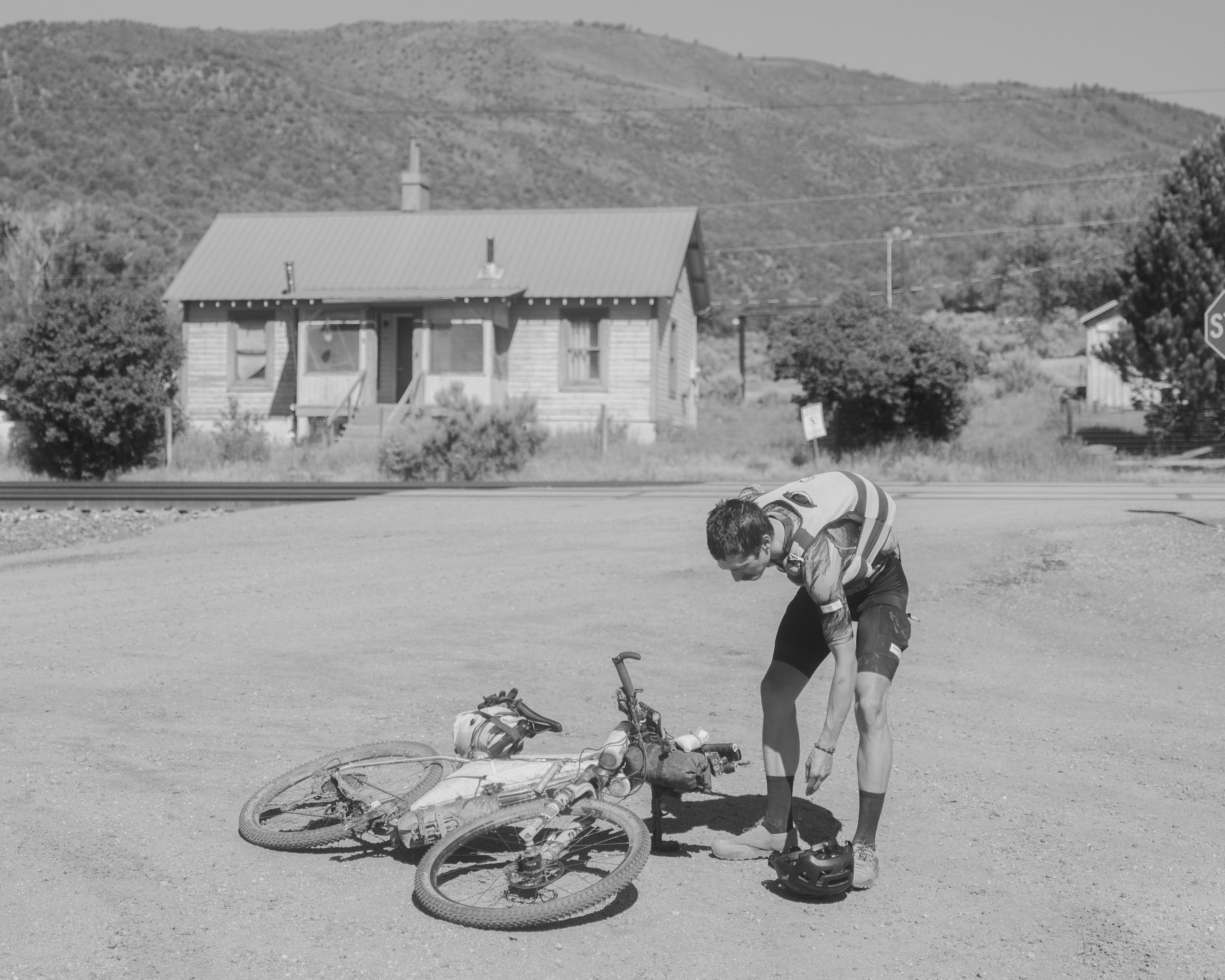
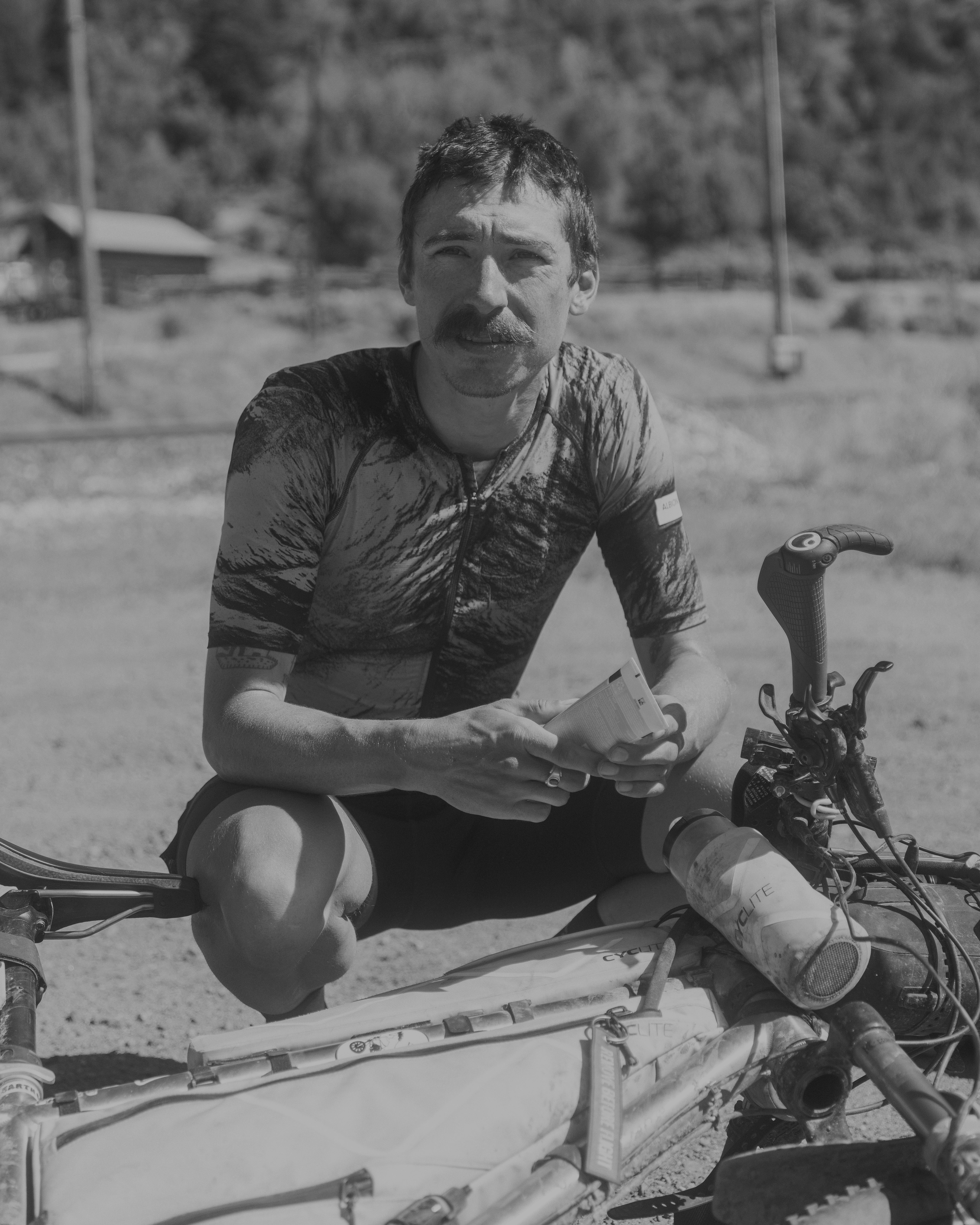
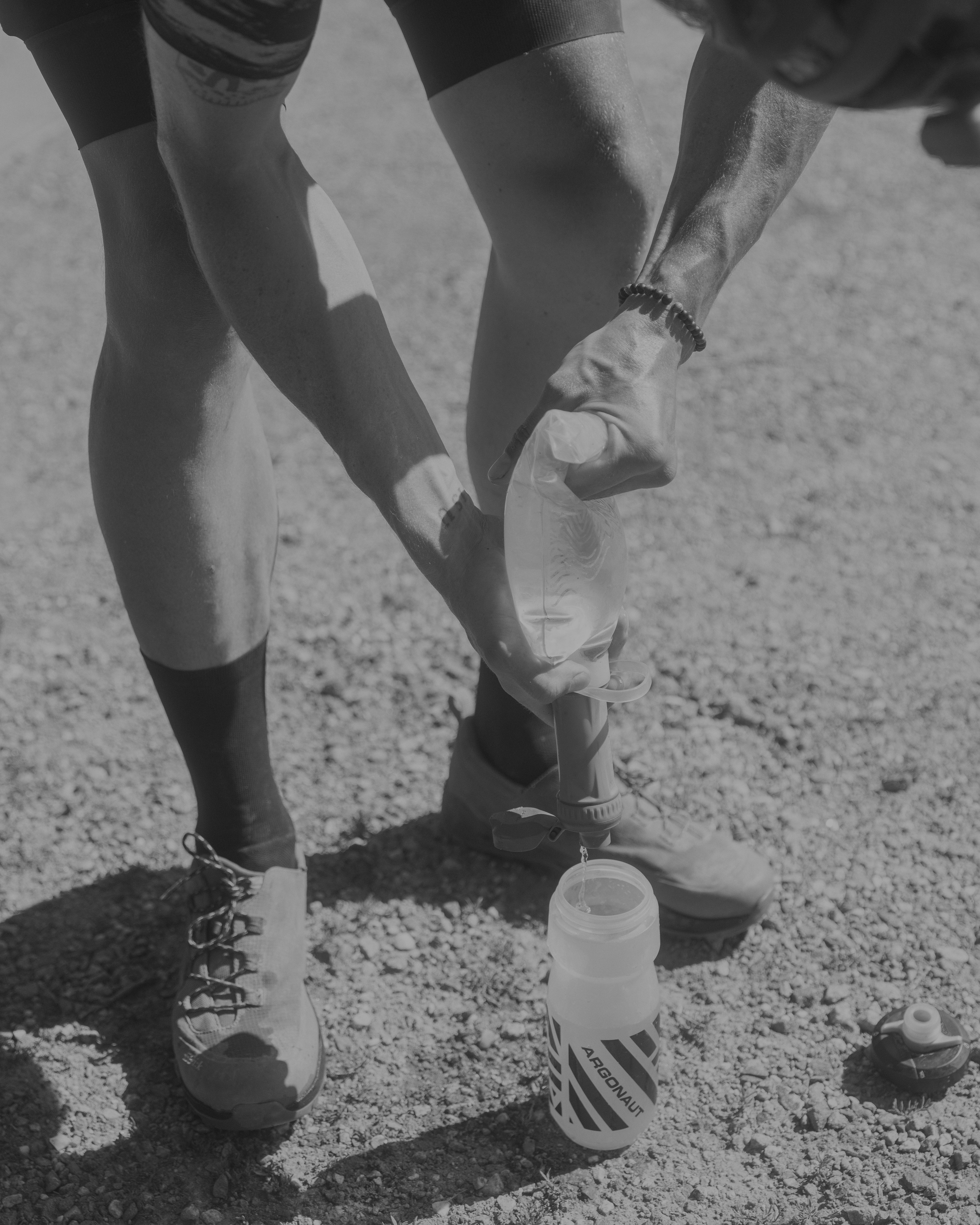
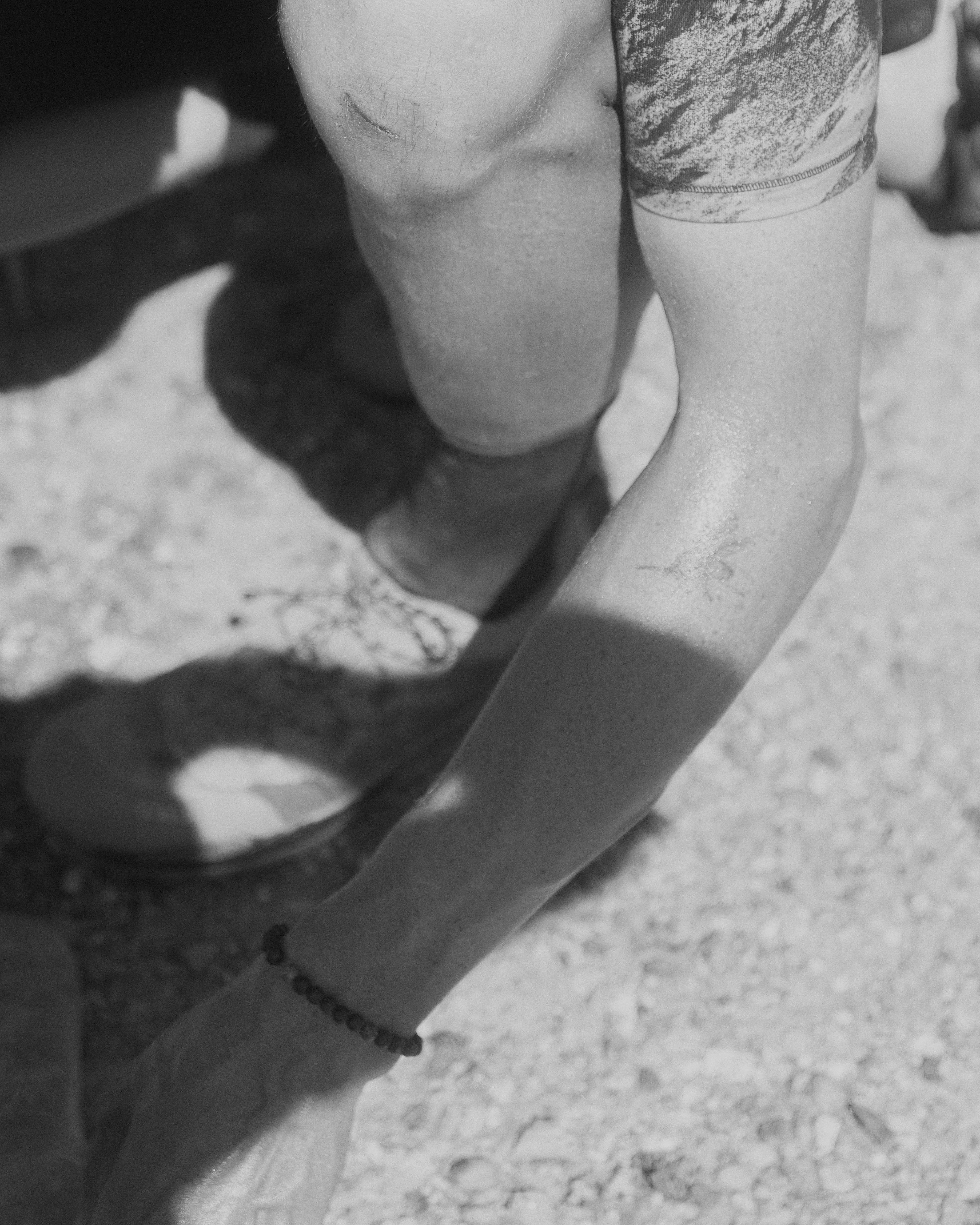
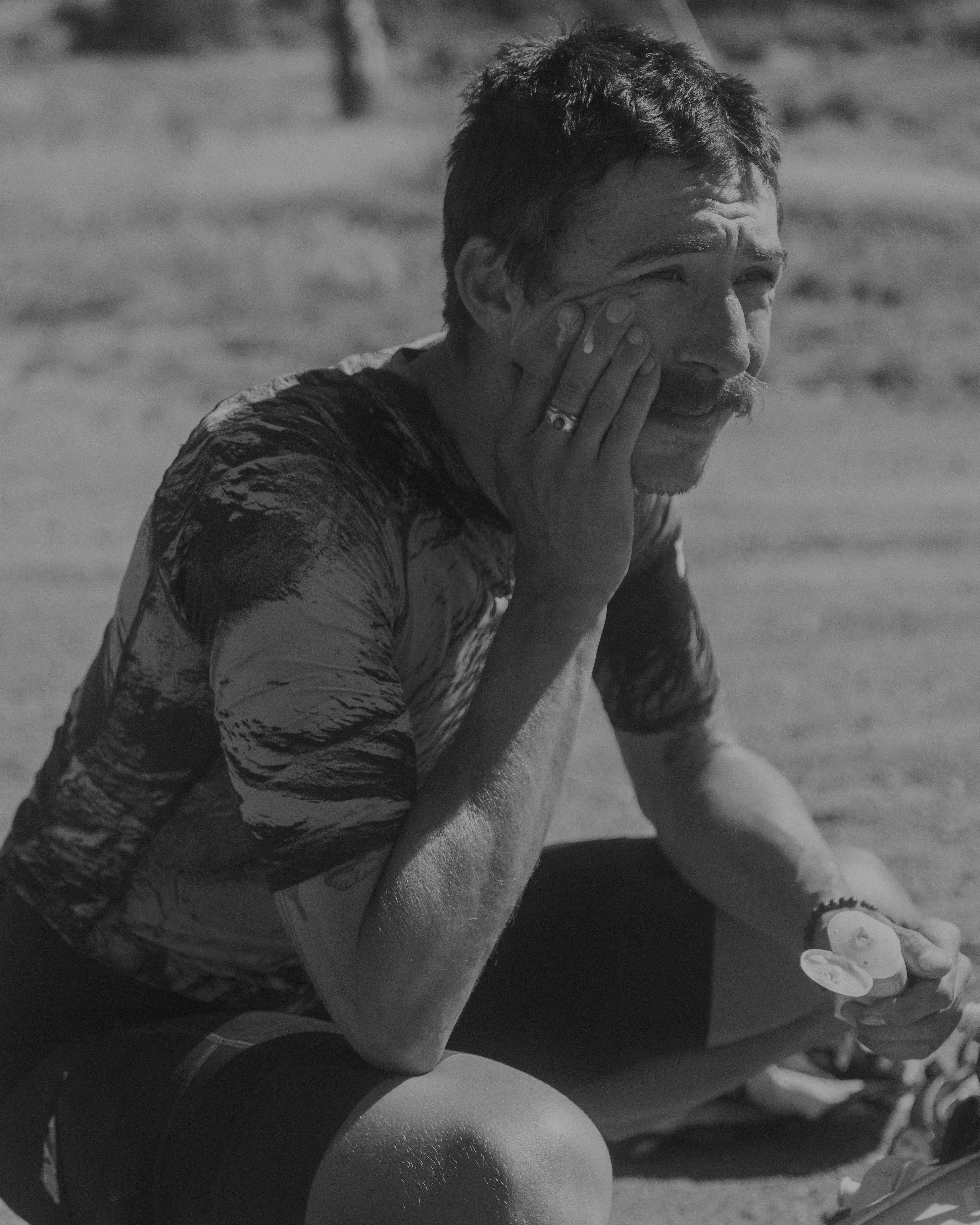
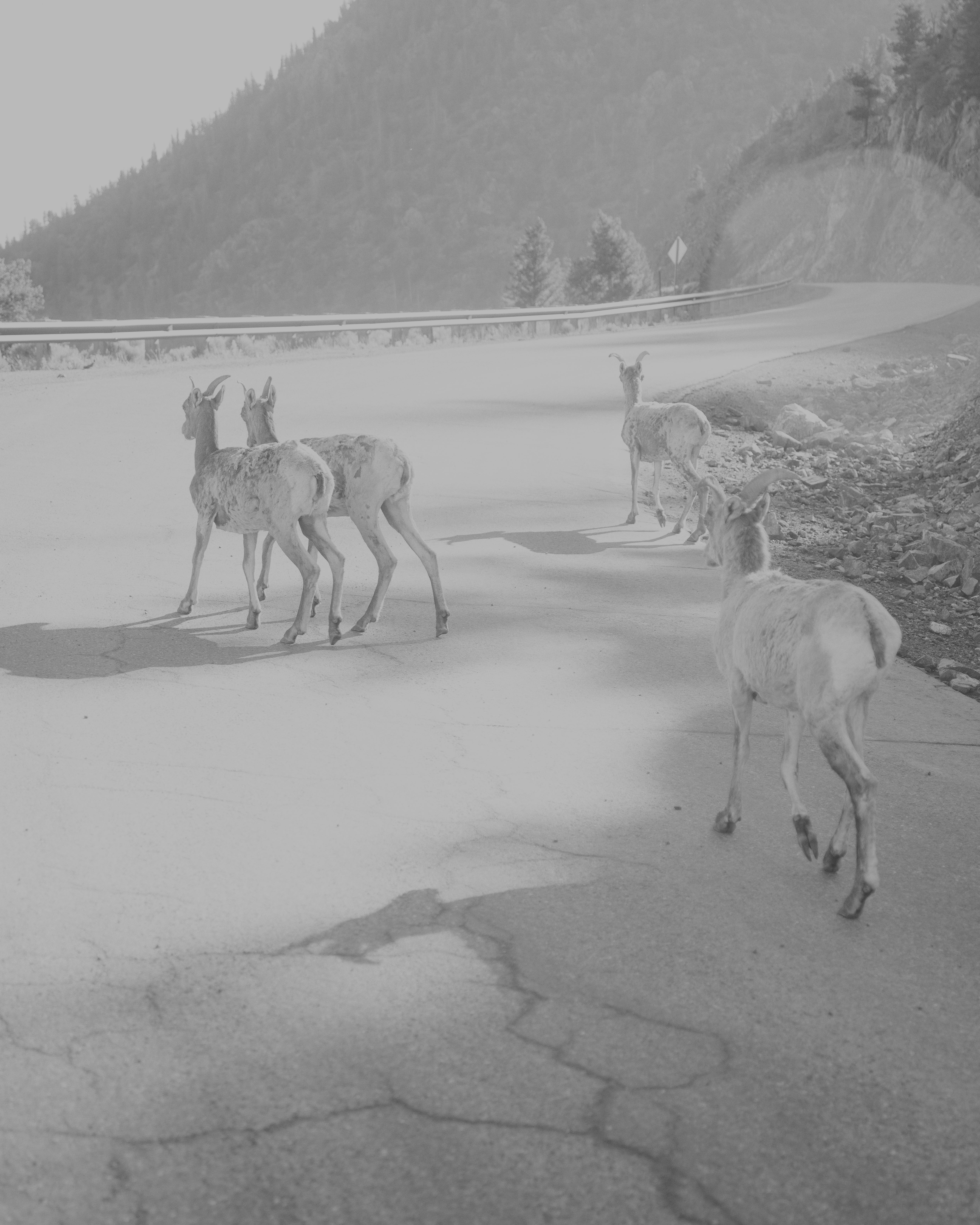
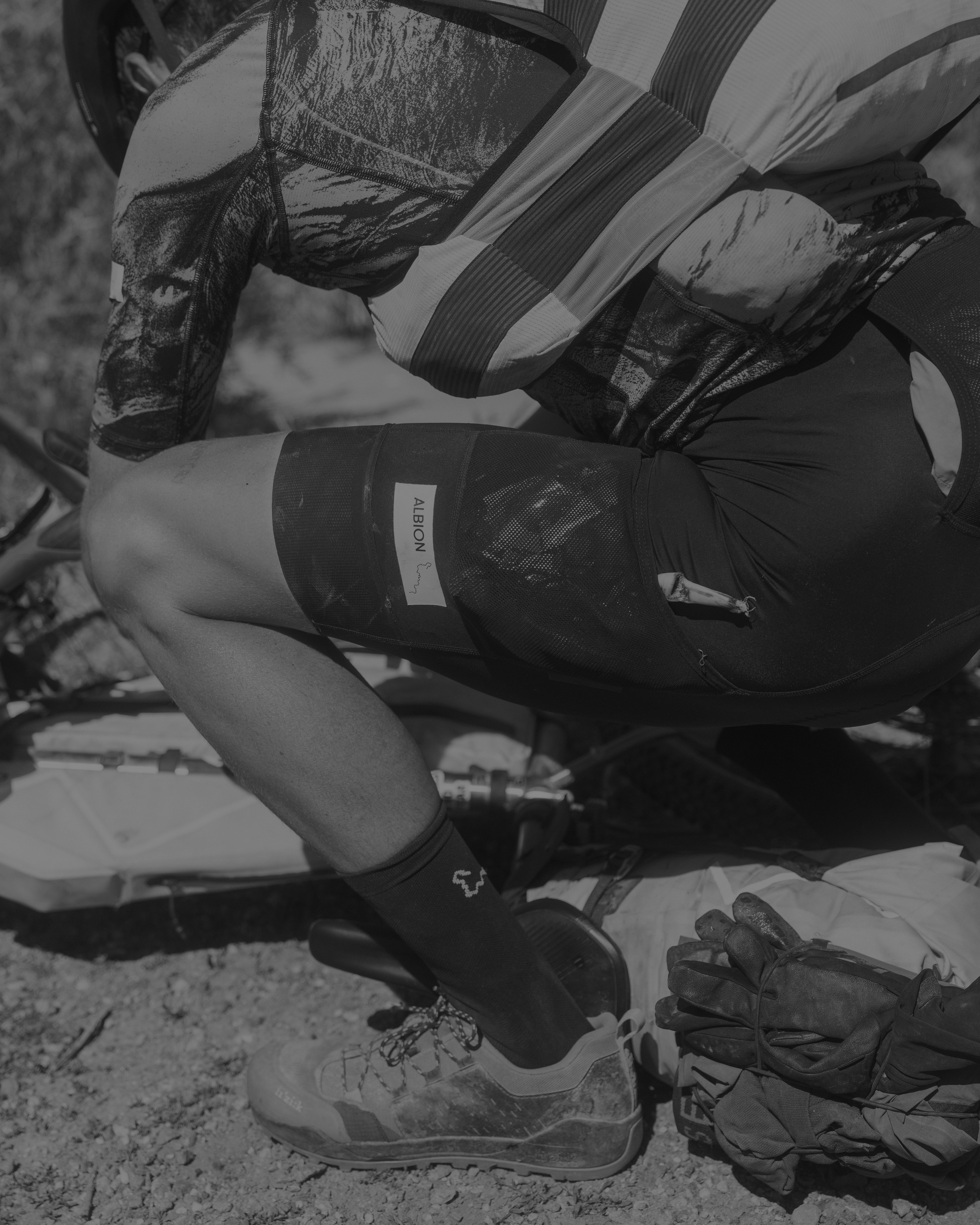
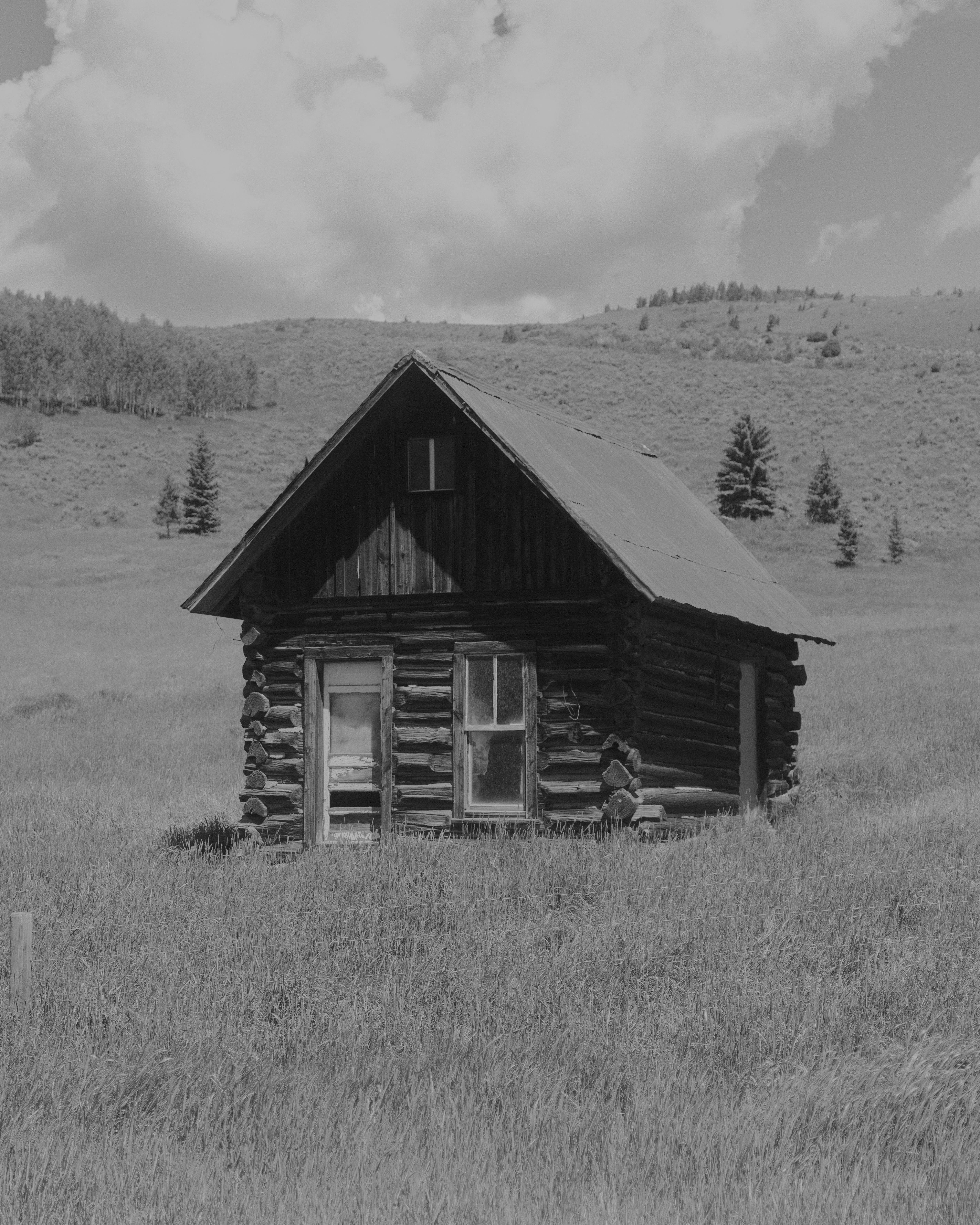
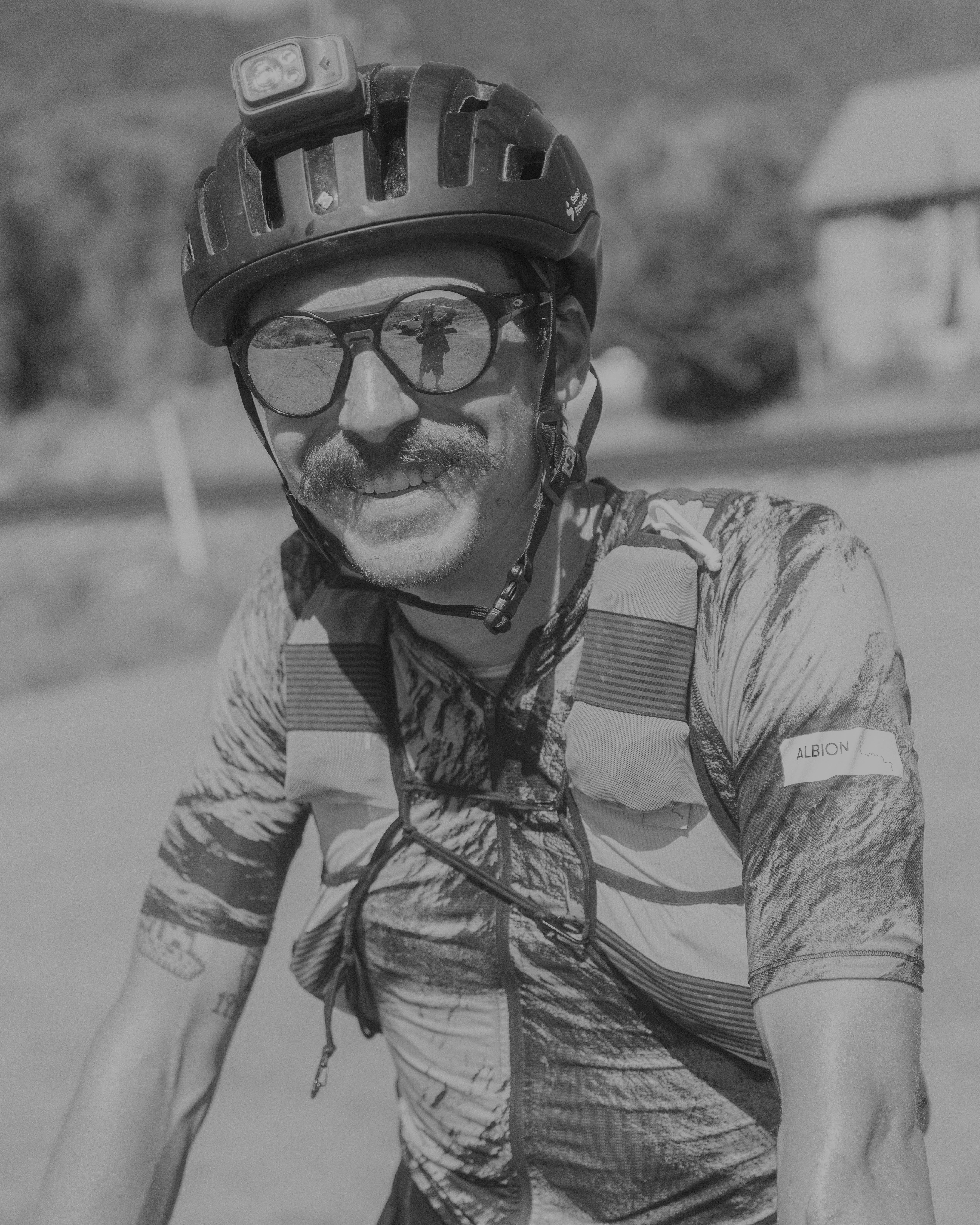
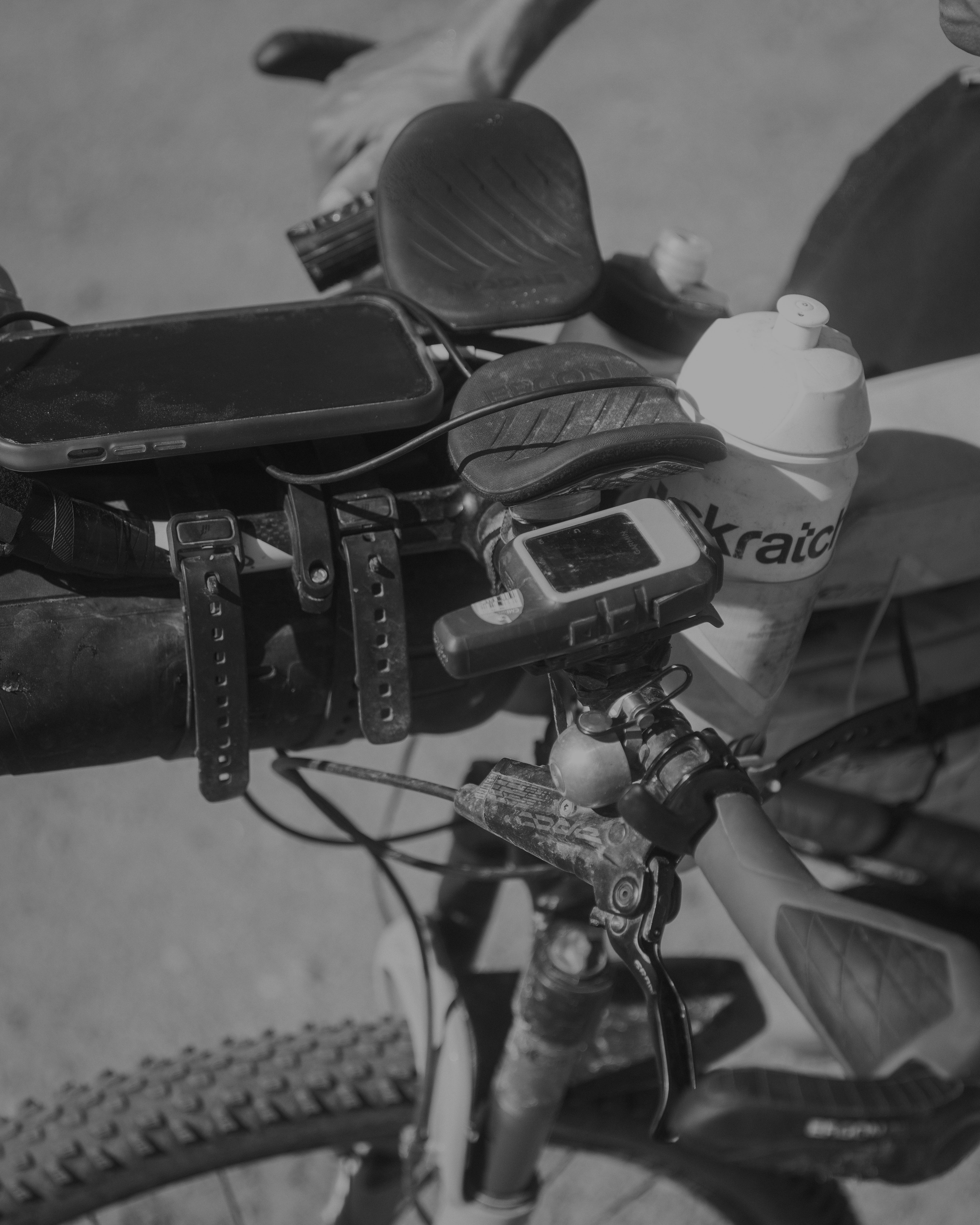
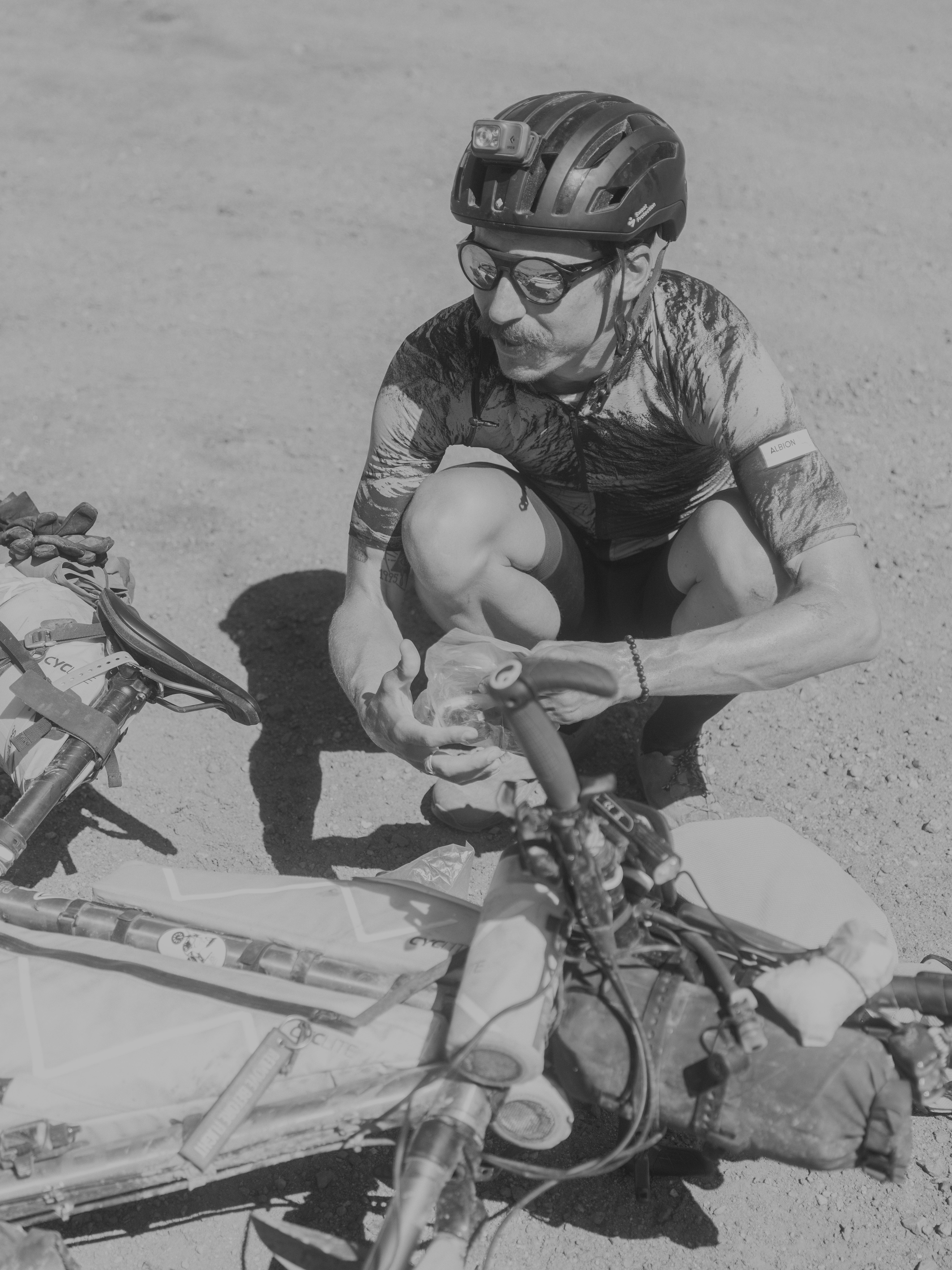
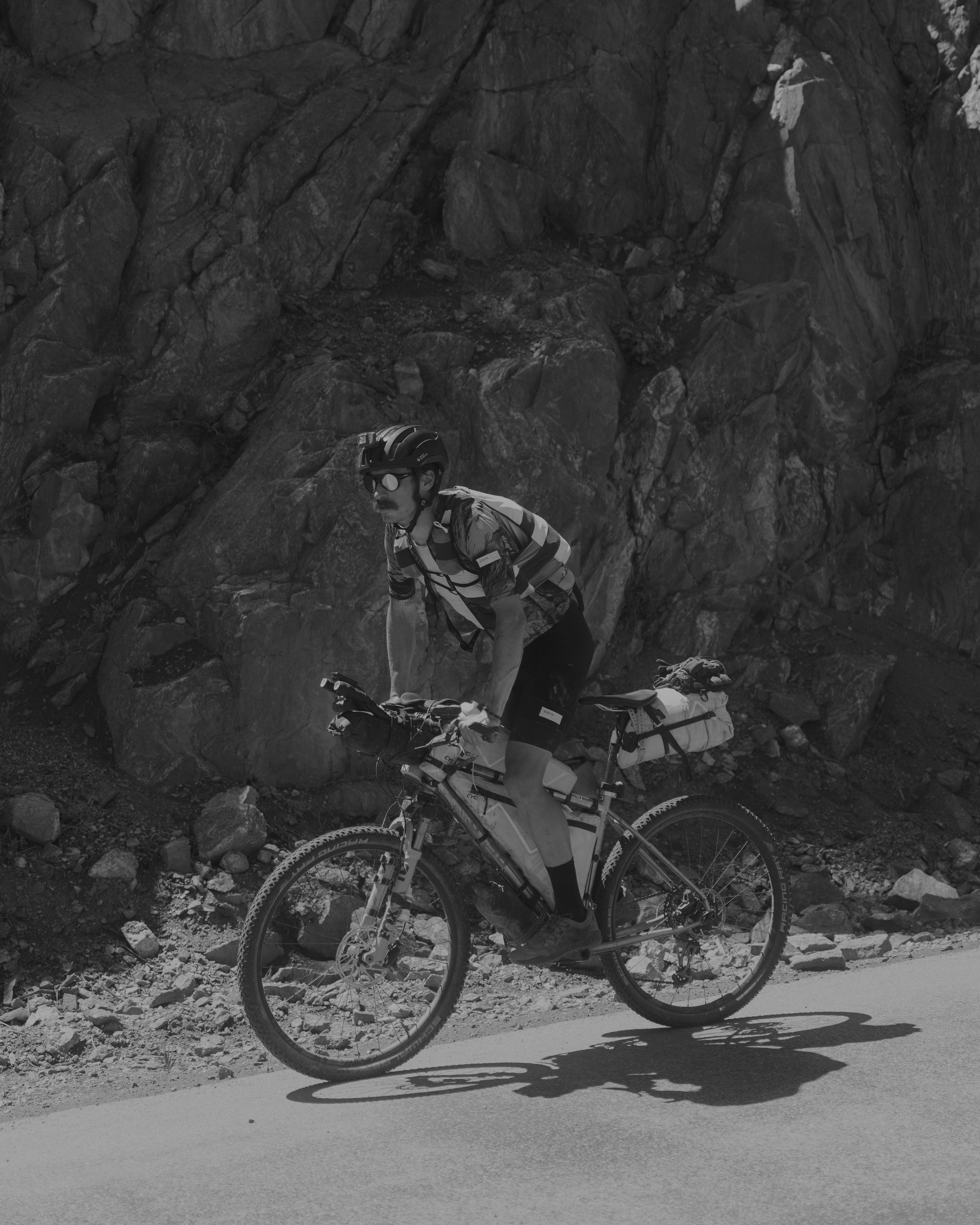
Part One: Tour Divide Training, High Performance, Processing Traumas, Finding Friendship, Support Systems, Sacrifice & Lack of Stability — Images taken along the Tour Divide (2024).